Uncategorized
What are the different types of Hair Colour? What you need to know.
Feb
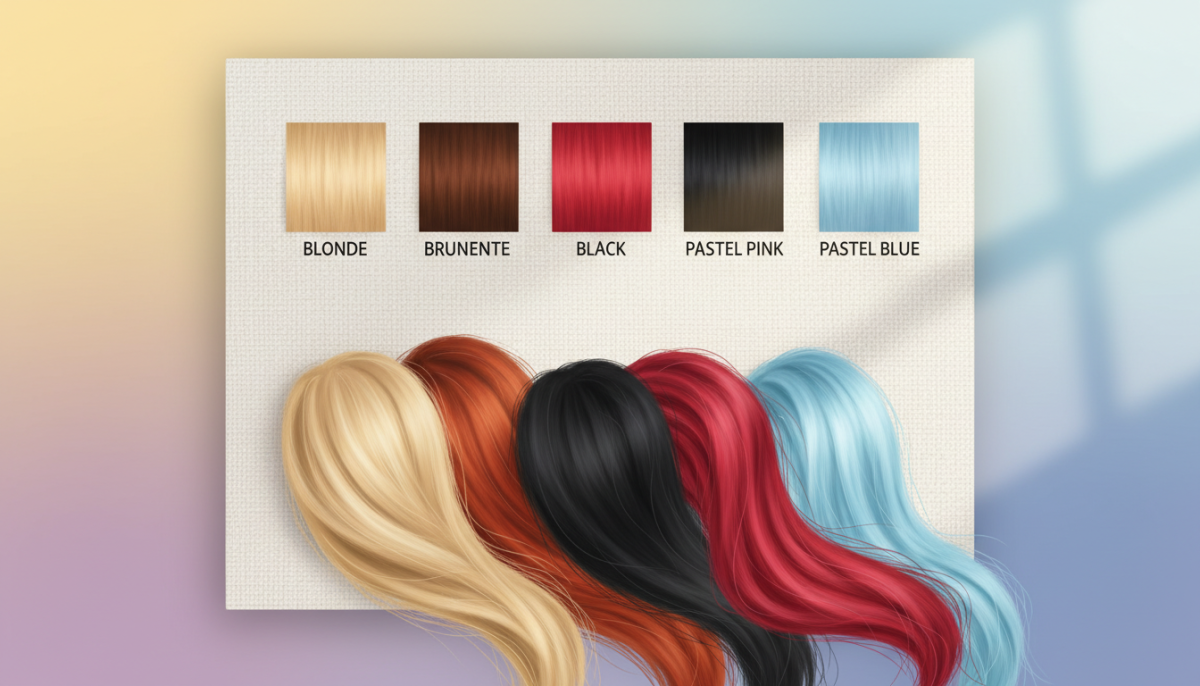
Looking for a style refresh? Choosing a new hair colour can be overwhelming at first. Our team is here to make it easier by explaining hair colour types in simple terms.
Finding the right shade is key for a great look. We guide you to pick the best products for your hair. Quality pigment kits keep your hair strong and shiny.
Choosing the right colour lets you show off your personality. We want you to feel sure about your choice before you go to the salon. We’ll show you how to keep your new look vibrant and healthy for weeks.
Our guide covers the safest ways to change your hair colour. We believe everyone should love their new look. Let’s explore the different tinting options together.
Key Aussie Takeaways
- Identify the best tint for your unique skin tone and style.
- Recognise the difference between permanent and temporary pigments.
- Select quality products to protect the health of your tresses.
- Understand how different hues interact with your natural base.
- Learn professional tips to maintain a long-lasting and glossy finish.
- Discover why choosing the right formula matters for your daily routine.
Understanding Hair Colour Basics: The Foundation of Colouring
To get the perfect hair colour, you need to know the basics. These basics help you make smart choices about your hair colour.
How Hair Colour Chemistry Works
Hair colour chemistry is about how colour interacts with the hair shaft. Chemical processes change the hair’s natural pigment. This lets the new colour stick.
Chemicals like ammonia open up the hair cuticle. This is how colour gets deposited.
The science behind hair colour is quite complex. It involves breaking down old pigment and adding new colour. Many things can affect this process, like the dye type and hair condition.

The Role of Melanin in Hair Colour
Melanin is the pigment that gives hair its colour. There are two types: eumelanin and pheomelanin. How these interact decides your natural hair colour.
Knowing about melanin is key to picking the right hair colour. The amount and type of melanin can change how colouring affects your hair.
Understanding Colour Levels and Tones
Colour levels show how light or dark the hair is. Tones are the colour’s undertones, like warm, cool, or neutral. Understanding colour levels and tones is vital for the right hair colour.
When choosing a hair colour, think about both level and tone. This ensures it looks good with your skin and style.
What is Permanent Hair Colour and When Should You Use It?
Permanent hair colour is a long-term solution for those wanting a lasting hair colour change. We’ll dive into what makes permanent hair colour special, including its formula, how long it lasts, and when it’s best to use it.
The Science Behind Permanent Colour Formulations
Permanent hair colour changes the hair’s natural colour by penetrating the hair shaft. This happens through a chemical process that opens the hair cuticle. The key to permanent hair colour’s longevity lies in its ability to permanently alter the hair’s natural colour.
Longevity and Colour Commitment
Permanent hair colour lasts a long time. It keeps your colour vibrant for weeks, needing touch-ups every five weeks as your hair grows. This is a big commitment, requiring time and effort.
Best Applications for Permanent Colour
Permanent hair colour is versatile and great for many uses. Here are some of the best ways to use it:
- Complete Grey Coverage: It’s perfect for covering grey hairs, giving a natural look.
- Dramatic Colour Transformations: If you want a big change in your hair colour, permanent is ideal.
- Long-lasting Results: It’s great for those who want a colour that lasts.
Complete Grey Coverage
Many choose permanent hair colour to cover grey hairs. It gives a natural colour that blends well with the rest of your hair.
Dramatic Colour Transformations
For a big change in your hair colour, permanent is the best choice. It offers a lasting change.
Long-lasting Results
Permanent hair colour is great for those who don’t want to change their colour often. It stays vibrant for a long time, needing less frequent touch-ups.

What is Semi-Permanent Hair Colour and How Does It Differ?
Semi-permanent hair colour is a great choice for those wanting to try a new look without a big commitment. It’s perfect for experimenting with different shades and tones. This method is less permanent than other hair colouring options.
How Semi-Permanent Formulas Work
Semi-permanent hair colour adds colour to the hair shaft but doesn’t change the hair’s natural pigment. Unlike permanent colour, it doesn’t use ammonia or peroxide. This makes it gentler on hair.
Because it lacks ammonia and peroxide, semi-permanent colour doesn’t open up the hair cuticle as much. Instead, it coats the hair shaft. This results in a less intense colour change that fades with washing.
Expected Duration and Fade Patterns
Semi-permanent hair colour typically lasts between eight and ten shampoos. This depends on your hair type and how well you care for it.
The colour fades gradually, getting less intense with each wash. This is great for those who want to slowly change their hair colour or return to their natural shade.
| Characteristics | Semi-Permanent Hair Colour | Permanent Hair Colour |
|---|---|---|
| Duration | Lasts between 8-10 shampoos | Lasts until hair grows out |
| Chemicals Used | No ammonia or peroxide | Contains ammonia and peroxide |
| Colour Change | Coats the hair shaft | Penetrates the hair cortex |
Ideal Situations for Semi-Permanent Colour
Semi-permanent hair colour is perfect for many situations. It’s great for trying new shades and adding depth to your natural colour.
Experimenting with New Shades
Trying a new hair colour without a long-term commitment? Semi-permanent colour is a smart choice. It lets you test different shades and tones before committing to a permanent change.
Enhancing Natural Colour
Want to enhance your natural colour? Semi-permanent hair colour can add subtle tones or highlights. It refreshes your hair colour and adds vibrancy without a big change.
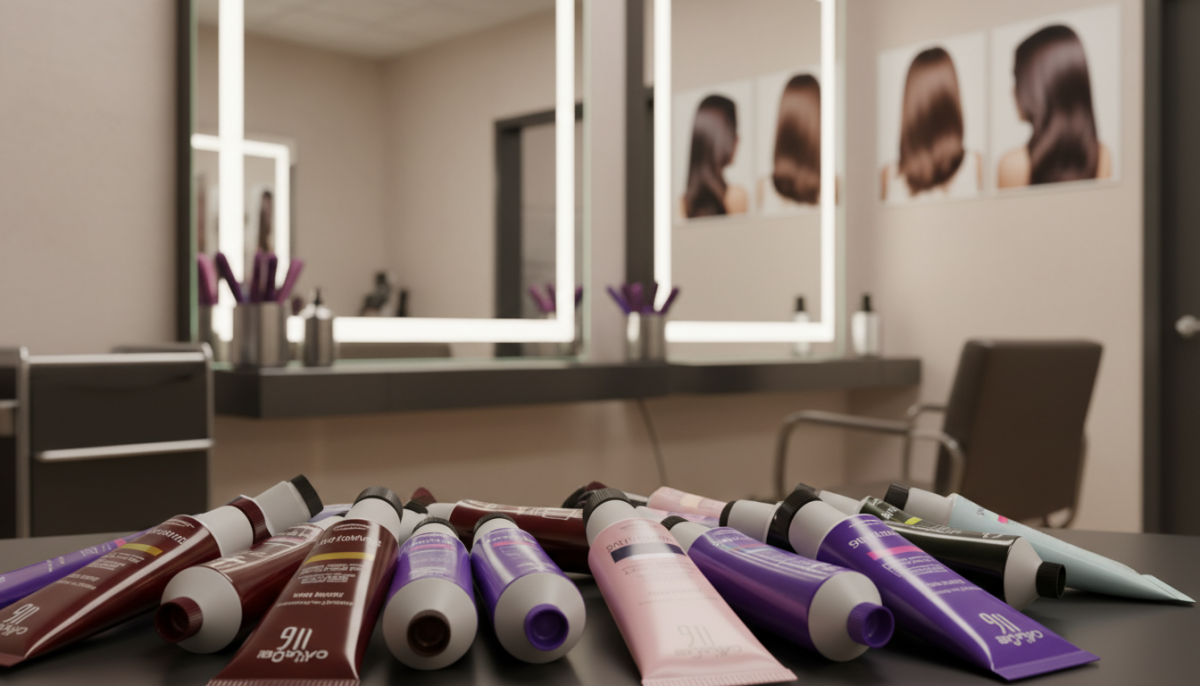
In conclusion, semi-permanent hair colour is a flexible and less damaging option compared to permanent colouring. It coats the hair shaft without penetrating the cortex, making it ideal for temporary colour changes.
What is Demi-Permanent Hair Colour?
Demi-permanent hair colour is a middle option between semi and permanent colours. It lasts longer than semi-permanent but is less damaging than permanent.
The Middle Ground Between Semi and Permanent
Demi-permanent colour deposits colour on the hair shaft but doesn’t penetrate deeply. This makes it less damaging. It’s perfect for those who want colour that lasts longer than semi-permanent but don’t want permanent.
Key Characteristics of Demi-Permanent Formulas
Demi-permanent colour formulas have less ammonia or are ammonia-free. This reduces hair damage. They coat the hair shaft with colour, which fades over time.
When to Choose Demi-Permanent Colour
Demi-permanent colour is great for blending grey hair or refreshing faded colour. Let’s look at these situations closer.
Blending Grey Hair
Demi-permanent colour blends grey hair well. It doesn’t fully cover greys but creates a natural, multi-dimensional look.
Refreshing Faded Colour
It’s also good for refreshing faded colour between permanent colour applications. This keeps the colour vibrant without a full recolour.
To show the benefits of demi-permanent hair colour, here’s a comparison:
| Colour Type | Duration | Damage Level |
|---|---|---|
| Semi-Permanent | 4-6 washes | Low |
| Demi-Permanent | 12-24 washes | Moderate |
| Permanent | Until roots grow out | High |
What is Temporary Hair Colour and How Long Does It Last?
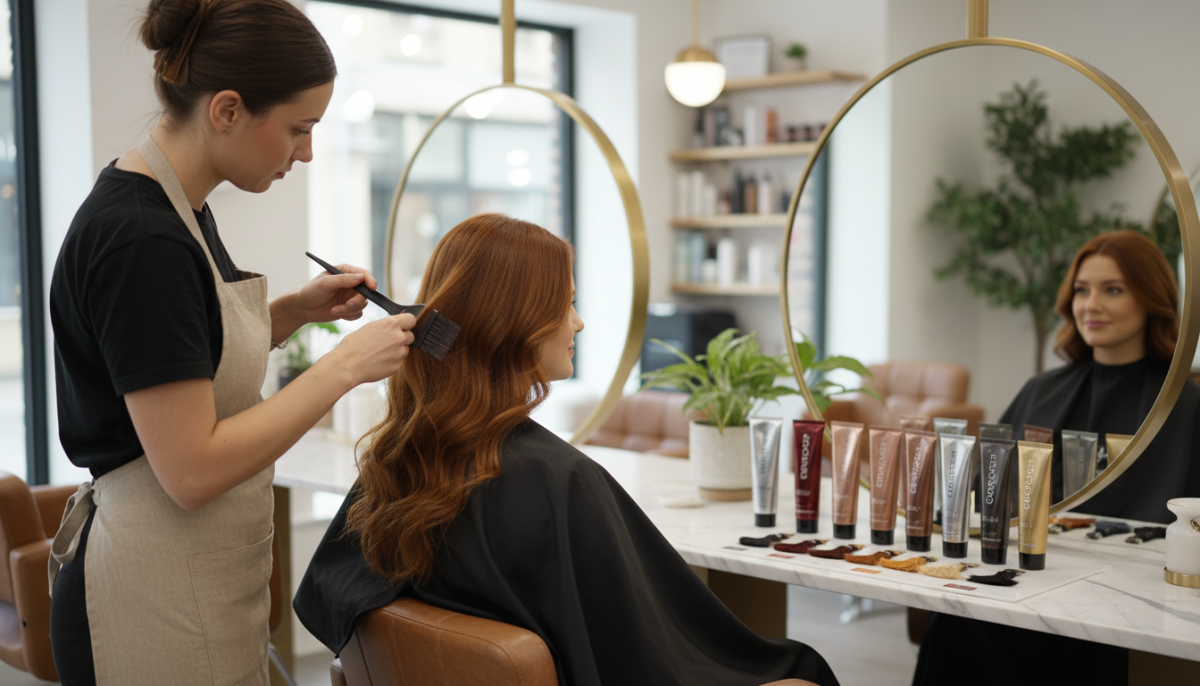
Temporary hair colour products are a great way to try out new shades without harming your hair. They’re perfect for those who love to change their hair colour often. Or for anyone wanting a special look for a big event.
Different Types of Temporary Colour Products
There are many types of temporary hair colour products out there. They cater to different needs and styles.
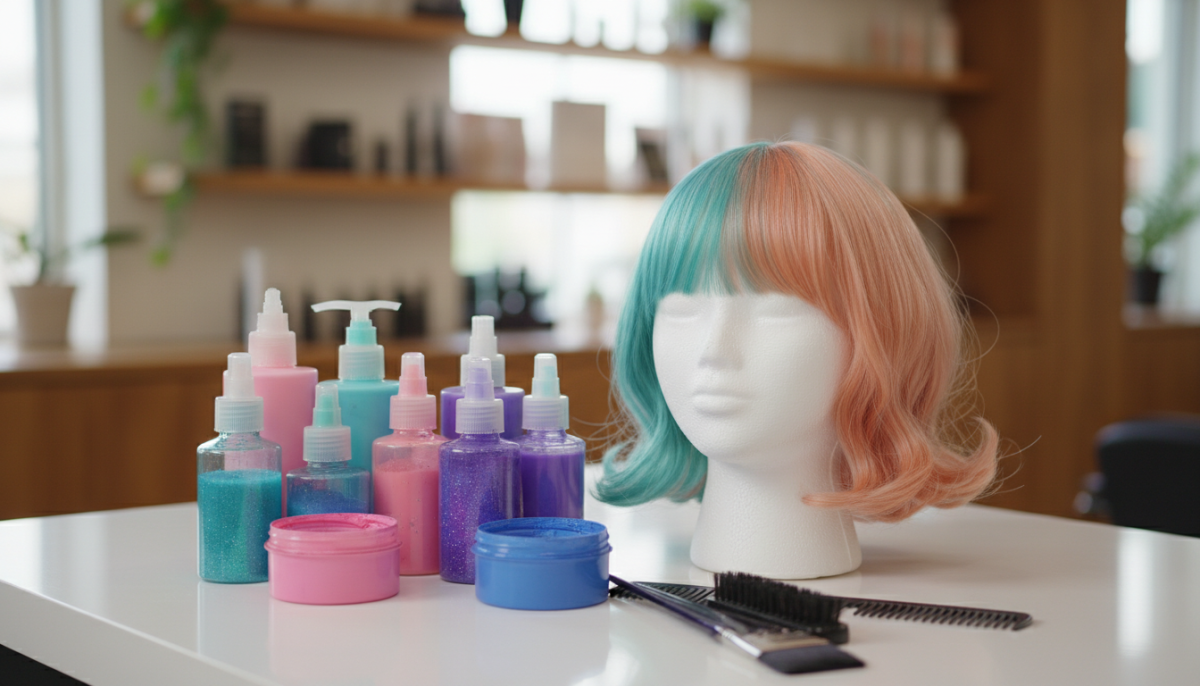
Hair Colour Sprays and Chalks
Hair colour sprays and chalks are easy to use and wash out with one shampoo. They’re great for adding a splash of colour or a bold look for a short time.
Wash-Out Colour Rinses
Wash-out colour rinses are applied after shampooing and last until the next wash. They can add a soft tint or a bright colour to your hair.
Colour-Depositing Shampoos
Colour-depositing shampoos keep or enhance your hair colour while cleaning it. They deposit colour pigments that fade over time with washing.
Removal Process and Suitability
Temporary hair colours are easy to remove. Most can be washed out with just one shampoo. This makes them a low-risk choice.
| Product Type | Duration | Removal |
|---|---|---|
| Hair Colour Sprays and Chalks | Until next wash | Easy, with shampoo |
| Wash-Out Colour Rinses | Until next wash | Easy, with shampoo |
| Colour-Depositing Shampoos | Gradual fade with each wash | Gradual, with repeated washing |
Temporary hair colour products suit many hair types. They can create a range of looks, from subtle to bold. They’re perfect for those who enjoy trying new colours without a long-term commitment.
What are Bleach and Lightening Products?
Bleach and lightening products are key in hair colouring. They help change hair colour significantly. These products remove the hair’s natural pigment, allowing for a wide range of colours.
How Bleach Removes Natural Pigment
Bleach breaks down the melanin in the hair shaft. This is done with strong chemicals like hydrogen peroxide. It oxidizes the melanin, making the hair lighter.
But, it can damage the hair if not done right. It strips the hair of its natural pigment and can cause structural damage. It’s important to follow instructions carefully and consider professional help, especialy when bleaching dark hair to achieve significantly lighter shades.
Types of Lightening Products Available
There are many lightening products available, each with its own effect on the hair.
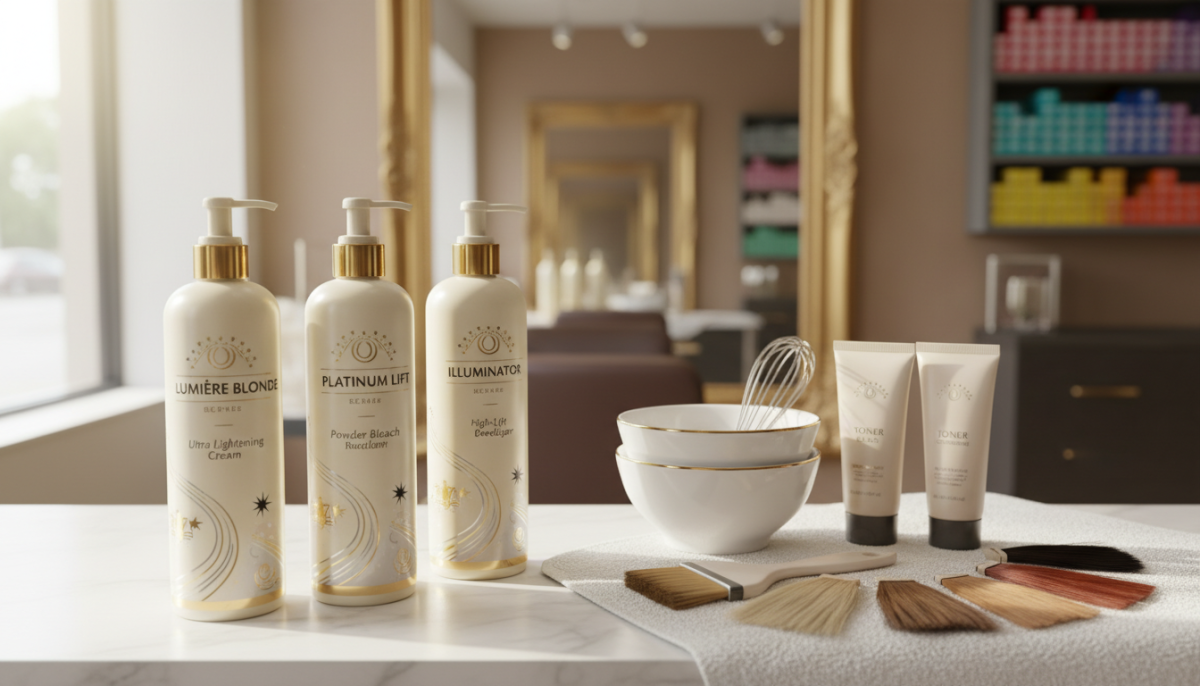
Powder Bleach
Powder bleach is a strong lightening agent. It’s often used for dramatic colour changes. It’s mixed with a developer to achieve the desired lightening effect.
Cream Lighteners
Cream lighteners are gentler than powder bleach. They come in a cream consistency. They’re used for more subtle lightening effects.
High-Lift Colour
High-lift colour is a type of hair colour that colours and lightens the hair in one step. It’s used for achieving lighter shades without bleaching.
| Product Type | Application | Effect |
|---|---|---|
| Powder Bleach | Mix with developer, apply to hair | Dramatic lightening |
| Cream Lighteners | Apply directly or mix with developer | Subtle to moderate lightening |
| High-Lift Colour | Apply like regular hair colour | Lightens and colours hair |
Safety Precautions and Hair Health
When using bleach and lightening products, safety is key. Perform strand tests, wear protective gloves, and avoid leaving the product on too long. Regular conditioning and avoiding excessive heat styling can also help protect the hair.
By being informed and cautious, individuals can achieve their desired hair colour while minimizing damage.
Essential Hair Colour Supplies You Need for Application
To get professional-looking hair at home or in the salon, you need the right supplies. The right tools and products ensure your hair colour looks great and stays healthy.
Professional Application Tools
Professional tools are key for even colour distribution. They make the colouring process smoother and faster.
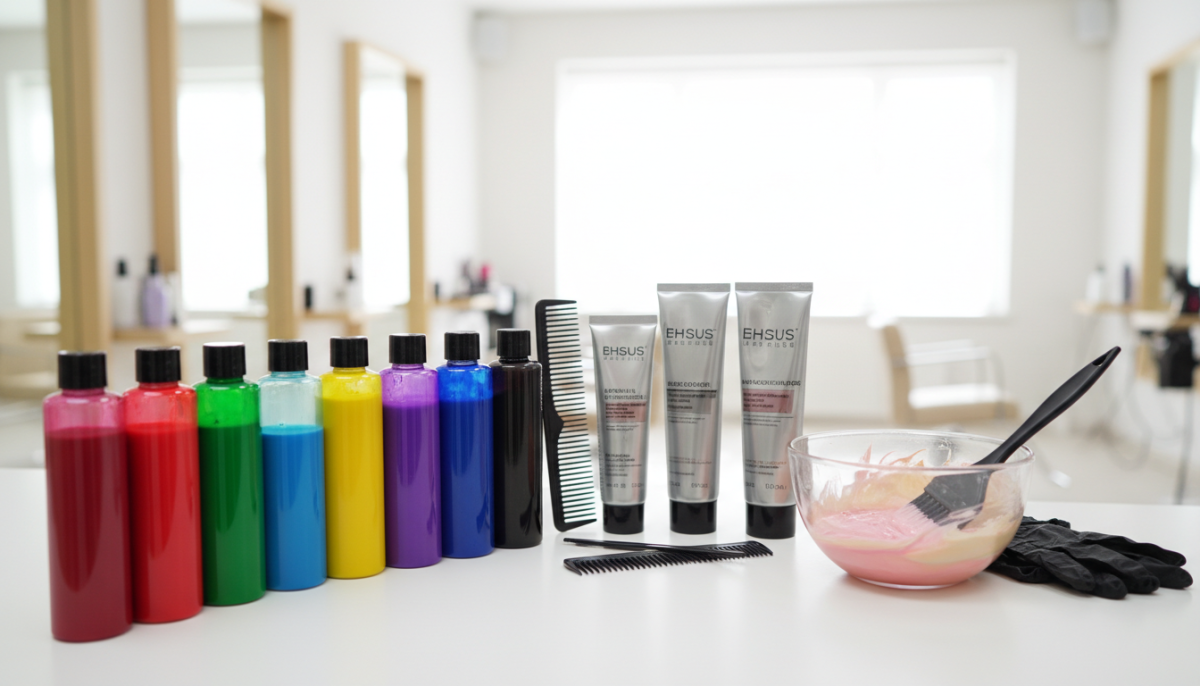
Colour Brushes and Applicator Bottles
Colour brushes and applicator bottles are must-haves. Brushes help with precise application, perfect for roots. Bottles are great for colouring the whole head or mixing colour.
Mixing Bowls and Measuring Tools
Mixing bowls and measuring tools are vital for mixing colour. Use non-metal bowls to avoid chemical reactions. Scales or cups ensure the right colour and developer mix.
Sectioning Clips and Combs
Sectioning clips divide hair into sections for even colouring. Combs, like wide-tooth ones, detangle and help colour spread evenly.
Protective Equipment and Safety Gear
Protective gear and safety equipment are essential. They protect against hair colour irritants and allergens.
Gloves and Capes
Gloves keep hands from staining and irritation. Capes or protective clothes prevent colour from staining clothes and skin.
Barrier Creams and Skin Protectants
Use barrier creams or skin protectants around hairlines and ears. They prevent skin irritation and staining by creating a barrier.
Additional Products for Optimal Results
There are extra products to improve the colour application and results.
- Pre-colour treatments help in even colour uptake.
- Post-colour treatments nourish and protect hair after colouring.
- Colour-protecting shampoos and conditioners keep colour vibrant and long-lasting.
How Do Different Hair Types and Conditions Affect Colour Results?
It’s important to know how hair types and conditions impact colour results. We must look at hair texture, previous treatments, and porosity. This helps us predict and get the colour we want.
Hair Texture Considerations
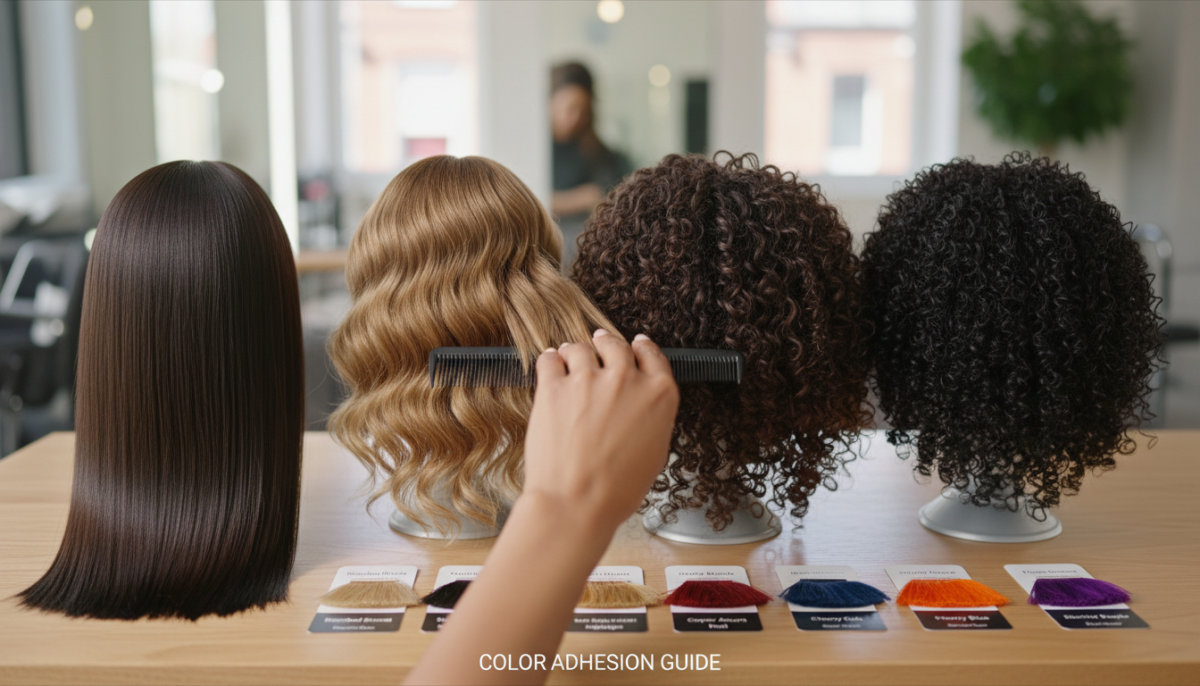
Hair texture greatly affects how colour is absorbed and stays. Different textures, like fine, coarse, straight, or curly, react differently to colour.
Fine Hair vs Coarse Hair
Fine hair soaks up colour fast and might need careful application to avoid too much colour. Coarse hair, being harder to colour, might need stronger or longer-lasting colour.
Straight vs Curly Hair
Colour spreads differently on straight vs curly hair. Curly hair’s complex structure can lead to uneven colour. So, we must adjust our colouring methods for curly hair.
Hair History and Previous Treatments
Previous hair treatments, like colouring, bleaching, or chemical processing, change how hair takes new colour. Damaged hair soaks up more dye and might look duller because its cuticle layer is damaged.
Knowing a hair’s history helps us choose the best colouring method. It also sets the right expectations for the final colour.
Understanding Hair Porosity
Hair porosity is how well hair absorbs and keeps moisture and colour. Low porosity hair resists colour, while high porosity hair absorbs it too fast, causing uneven results.
Knowing hair porosity is vital for picking the right colour products and how to apply them. This helps us get the colour we want.
What are Hair Toners, Glosses, and Colour Correctors?
Getting the perfect hair colour is more than just dye. It’s about fine-tuning with toners, glosses, and colour correctors. These products help enhance and maintain your hair’s colour, fix colour issues, and add shine.
The Purpose and Function of Toners
Toners adjust the hair colour’s tone, making it cooler or warmer. They’re great after bleaching or lightening, as they neutralise brassy tones.
“Toners can make a big difference in your hair colour,” a hair colour expert notes. “They’re key to getting the right shade and tone.”
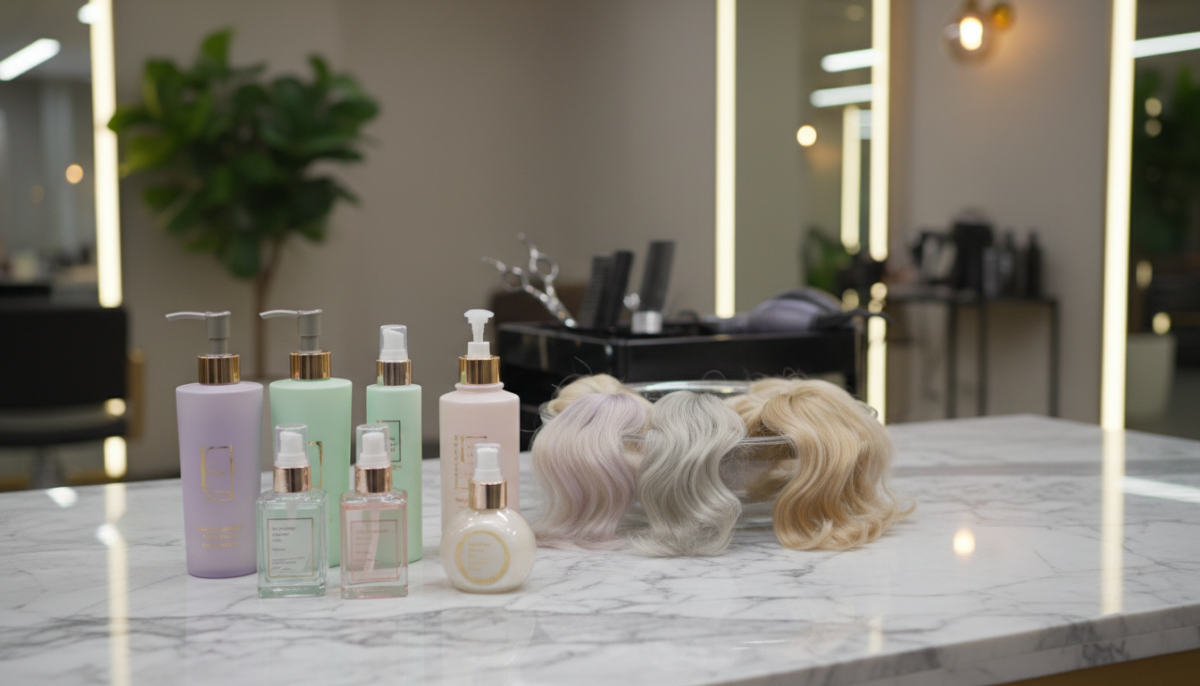
Glossing Treatments for Shine and Vibrancy
Glosses are semi-permanent treatments that add shine and vibrancy. They enhance colour, add moisture, and improve hair health and look.
Colour Correction Techniques
Colour correctors fix colour mistakes and uneven colour distribution. They can correct many issues, from brassy tones to dark or light colour.
Neutralising Unwanted Tones
Colour correctors are great at neutralising unwanted tones. For example, a purple-based toner can fix brassy tones in blonde hair.
Fixing Colour Mistakes
Colour correctors can also fix colour mistakes, like dark or uneven colour. They adjust the hair’s tone and colour for a natural, even look.
Learning to use toners, glosses, and colour correctors can help you get professional-quality hair colour at home or in the salon.
How Do You Choose the Right Hair Colour Type for Your Needs?
Finding the perfect hair colour is a journey. It’s about knowing what you want, your lifestyle, and your hair’s condition. With so many choices, it can be hard to decide. But, by thinking about a few key things, you can find the right colour for you.
Assessing Your Hair Colouring Goals
First, think about what you want from your hair colour. Do you want to hide grey, enhance your natural colour, or try something new? Knowing your goals helps you choose between permanent, semi-permanent, demi-permanent, or temporary hair colour. For example, if you want a lasting change, permanent colour might be best.
Lifestyle and Maintenance Considerations
Your lifestyle affects the right hair colour for you. If you’re always on the go, choose a colour that’s easy to maintain. Think about how often you’ll need to touch up your roots or refresh your colour. Semi-permanent and demi-permanent colours are good for those who don’t want to fuss too much.

Evaluating Current Hair Condition
It’s important to consider your hair’s condition. If your hair is damaged or over-processed, some colours might not be right. For example, if your hair is fragile, avoid bleach or lightening products that can harm it more. Check your hair’s porosity and condition to pick the best colour.
Budget and Time Commitments
Think about your budget and how much time you can spend on hair colour. Professional colouring can cost more but gives better results. If you’re on a tight budget, at-home kits might be cheaper. Consider the cost of Hair Colour Supplies and how much time you’ll need for application and upkeep.
When to Seek Professional Advice
If you’re not sure about the best hair colour or have complex goals, get professional advice. A hairstylist can give you tailored advice based on your hair type, skin tone, and what you want. They can also guide you through the different hair colour types and products, helping you get the look you desire.
What are Natural and Ammonia-Free Hair Colour Options?
Natural and ammonia-free hair colours are becoming more popular. People are looking for alternatives to traditional chemical hair colours. This is because they worry about damage and health risks.
More people want sustainable and healthy hair care. Natural hair colour options are getting a lot of interest.
Plant-Based Hair Dyes
Plant-based hair dyes come from plants and herbs. They are gentler than chemical colours.
Henna and Indigo
Henna and indigo are famous for hair colouring. Henna gives a reddish-brown colour. Indigo creates deeper, darker shades.
Together, henna and indigo can make natural shades from brown to black. This mix is popular for those wanting chemical-free colours.
Other Botanical Colour Options
There are many other botanical colours. These include extracts from fruits, vegetables, and flowers. They can make different shades and tones.
Plant extracts can change hair colour without harsh chemicals. These natural alternatives are better for hair and the environment.
Ammonia-Free and Low-Chemical Formulations
Many hair colours now are ammonia-free and low-chemical. They aim to reduce damage from traditional colours.
Ammonia-free colours use gentler alkalizers. This means less damage and dryness. They are good for those wanting conventional colours but with fewer chemicals.
Benefits and Limitations of Natural Options
Natural and ammonia-free colours have benefits. They reduce chemical exposure and may cause less damage. But, they also have some downsides.
Natural dyes might not be as bright or last as long as chemical colours. The results can also vary based on hair type and condition.
Despite these issues, many prefer natural and ammonia-free colours. As demand grows, we’ll see more new products.
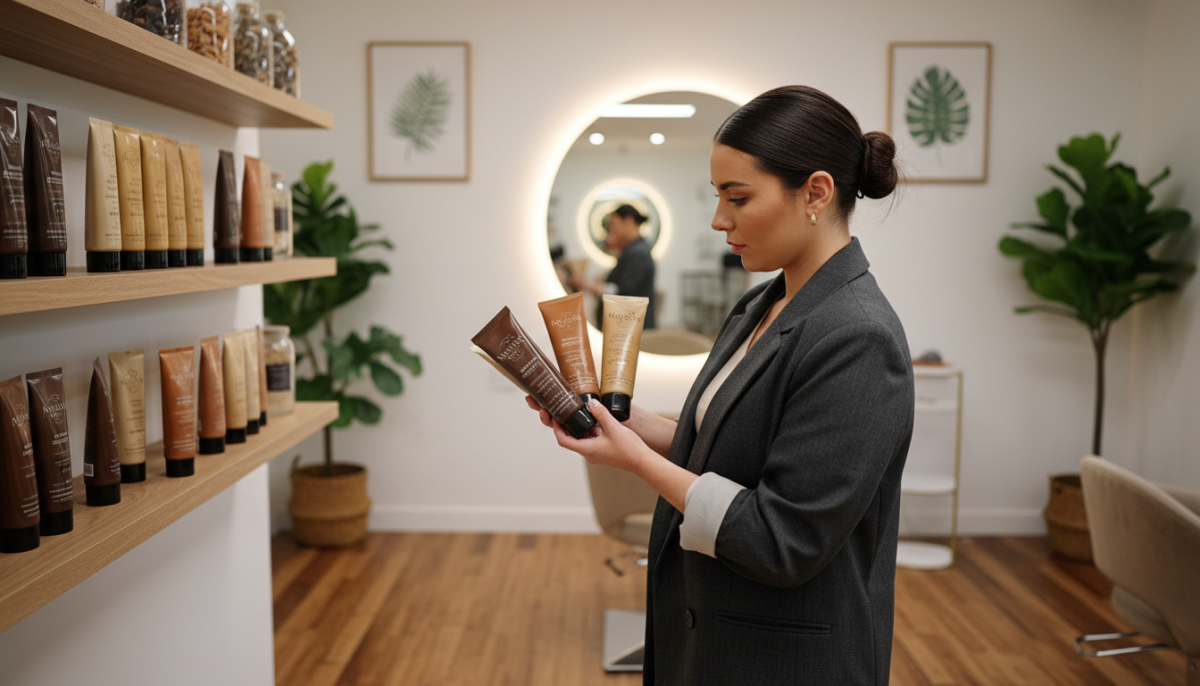
How Do You Properly Maintain Coloured Hair?
To keep your coloured hair looking great, you need a special hair care routine. It’s not just about using any shampoo and conditioner. You need to choose carefully to keep your hair vibrant and healthy. We’ll show you how to maintain your coloured hair, so it stays healthy and bright for longer.
Choosing Colour-Safe Hair Care Products
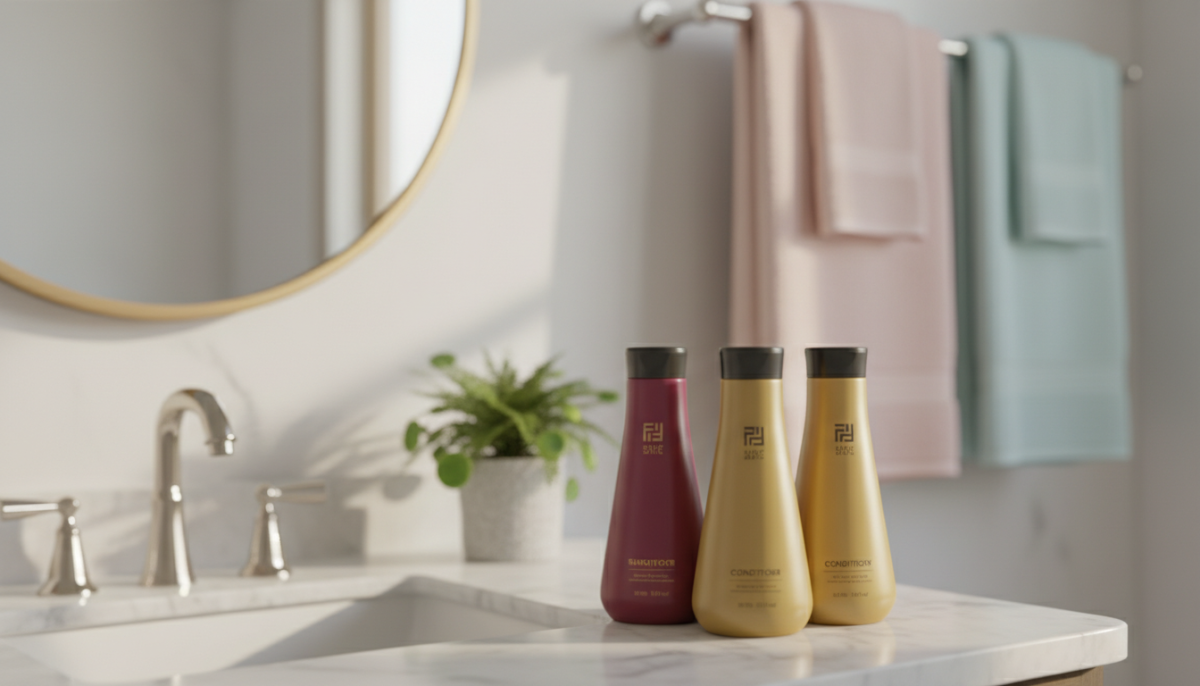
Using colour-safe products is key for your coloured hair. These products are gentle and help keep the colour and moisture in. Look for sulphate-free options made for coloured hair. Our Hair Colour Supplies have everything you need to keep your hair looking amazing.
Optimal Washing Techniques and Frequency
How you wash your hair affects its colour. Wash in cool water to seal the cuticle and keep the colour in. Washing less often also helps, as too much washing can make the colour fade. Use a colour-protecting shampoo and conditioner to keep your hair vibrant.
Protecting Colour from Environmental Damage
Heat styling, UV rays, and sun can harm your hair and colour. It’s important to protect it.
Heat Styling Protection
Always use a heat protectant spray when styling with heat tools. It prevents colour fade and protects the hair shaft from damage.
UV and Sun Exposure Defence
UV damage can affect your hair like your skin. Use a UV-protective hair spray or wear a hat in the sun to protect your hair colour.
Recommended Touch-Up Schedules by Colour Type
The touch-up schedule varies by hair colour type. For permanent hair colour, you’ll need touch-ups every 4-6 weeks. Semi-permanent and demi-permanent colours may need more frequent touch-ups, every 2-4 weeks. Knowing your hair colour type and its needs is essential for keeping it looking fresh.
Conclusion
Understanding different hair colours and their uses is key to getting the look you want. Our guide shows how important it is to think about your hair type, condition, and care when picking a colour.
There are many hair colour types, each with its own pros and cons. Having the right Hair Colour Supplies is vital, whether you’re a pro stylist or colouring at home.
Think about what you want, your lifestyle, and your budget when choosing hair colour. Proper care and using colour-safe products can make your colour last longer.
Our look into hair colouring options and methods gives you a solid base. It’s perfect for anyone wanting to change their look or keep their current style.
FAQ
How does permanent hair colour achieve total grey coverage?
What is the main difference between semi-permanent and demi-permanent hair colour?
Can we change our hair colour significantly without using bleach?
Why does hair porosity matter when we are choosing a new colour?
What role do toners and glosses play in the colouring process?
Are ammonia-free hair colours as effective as traditional dyes?
What supplies do we need for a successful at-home colour application?
How often should we schedule touch-ups to maintain our colour?
How can we protect our coloured hair from environmental damage?
When should we seek professional advice instead of colouring at home?
